Drainage works for civil and construction projects: What to plan before you start
Drainage works can shape far more than one isolated part of a project. If they are not planned properly, they can affect excavation, site preparation, underground services, machinery access, and the sequencing of the trades that follow. On civil and construction jobs, drainage needs to be considered early so the work can be delivered in a practical order and the site remains workable throughout the process.
For builders, contractors, and project managers across Brisbane, early planning often makes the difference between a smooth installation stage and a site that keeps running into delays. Ground levels, trenching requirements, access, spoil handling, and connected underground works all influence how drainage should be approached. This guide covers the main things to think about before drainage works begin and explains why early coordination can make the broader project easier to manage.
1. Start with the site conditions
Before drainage works begin, it helps to understand the site itself. Ground conditions, available working space, access points, surrounding structures, and the shape of the land can all influence how the drainage stage needs to be planned. Even on relatively straightforward projects, those details affect how trenching is carried out and how efficiently machinery can move through the site.
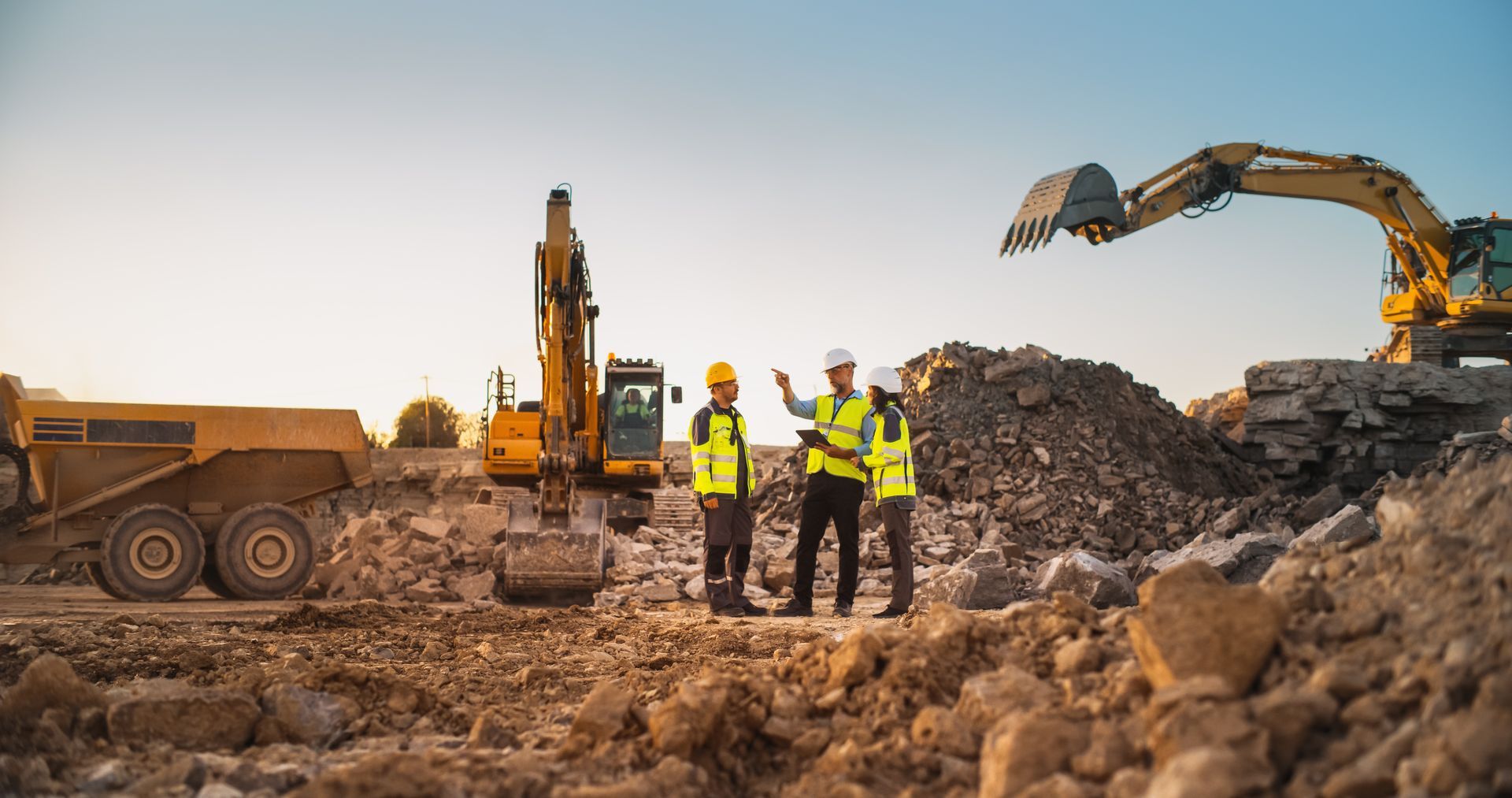
Looking at drainage in isolation can create unnecessary problems later. If excavation, bulk earthworks, or underground service preparation are already scheduled, the drainage scope needs to fit into that broader sequence of work. That is why many projects benefit from planning drainage alongside earthmoving and excavation works rather than treating it as a completely separate stage.
A practical review of the site can also help identify likely pressure points before they become delays. Restricted access, tight staging, or awkward spoil movement can all slow progress once work is underway. Thinking about these issues early usually gives the project team more flexibility in how drainage works are delivered.
2. Plan trenching, access, and working room early
Drainage often involves more than digging a trench and moving on. The site needs to remain workable while excavation, preparation, and related activity are taking place. On tighter or more active construction sites, access and working room can become one of the biggest constraints, especially when machinery, materials, and multiple trades need to share the same space.
Planning access early makes it easier to decide how drainage should be staged and what machinery support will be needed. It also helps avoid situations where equipment is available but the site is not actually ready for efficient work. On projects where drainage needs to happen in step with other early works, practical coordination around machine access can save a significant amount of time.
Where the broader project also includes clearing, levelling, and shaping the site, it often makes sense to align drainage planning with site preparation and bulk earthworks. When the groundwork supports the drainage stage properly, the overall project usually runs more smoothly and the next trades can move in with fewer disruptions.
3. Consider how drainage connects with other underground works
Drainage rarely sits alone on a project. It often overlaps with trenching, underground services, pipe runs, and related installation work that all need to happen in a practical sequence. If these elements are planned separately, the site can become harder to manage and some parts of the work may need to be revisited later.
This does not mean every drainage job is overly complicated, but it does mean there is real value in thinking ahead. If one underground element affects another, those connections should be considered before excavation begins. A more joined-up approach can reduce rework, limit disruption, and make the broader construction program easier to manage.
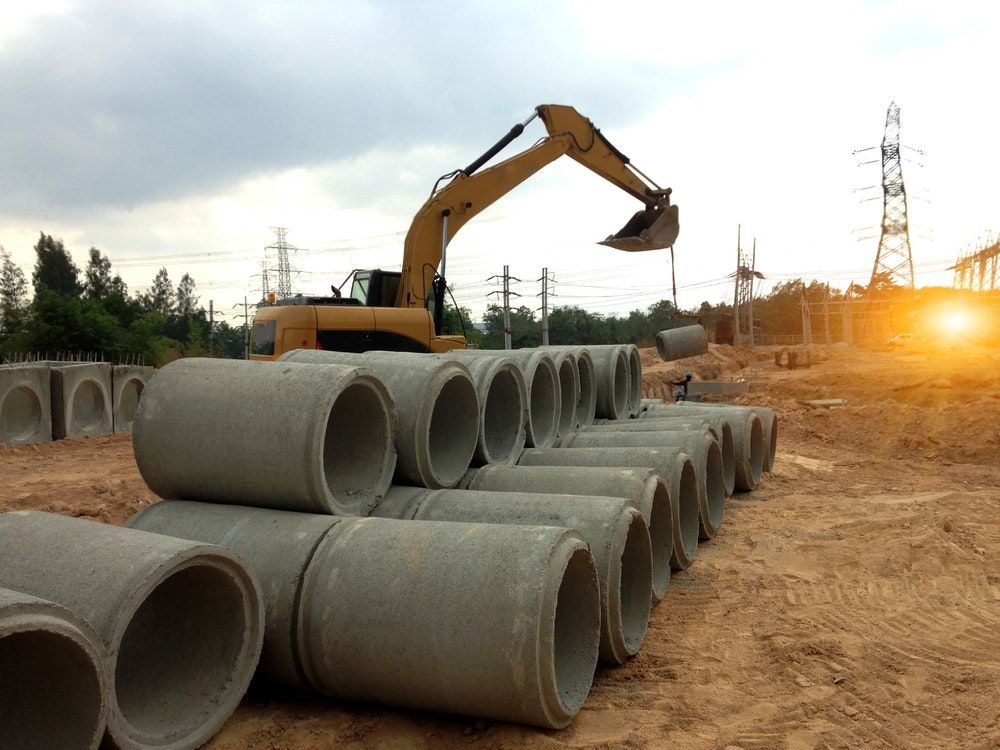
For projects that also involve underground service installation, it is worth reviewing how drainage planning connects with pipe laying services and other related trenching support. This helps the project team make better decisions about sequencing, access, and the machinery required on site.
4. Think about spoil handling and material movement
Drainage works often create spoil, excavated material, and ongoing transport needs that can easily become a bottleneck if they are not planned properly. A site may have enough machinery to dig efficiently, but if spoil cannot be moved out of the way at the right time, the job can slow down quickly and access can become more difficult for everyone else on site.
Material movement matters because drainage is often staged rather than completed in one single uninterrupted operation. Trenches may be opened progressively, installation preparation may happen across different parts of the site, and spoil may need to be removed in a way that keeps the work area practical and safe. Without a clear plan, the site can become congested and harder to coordinate.
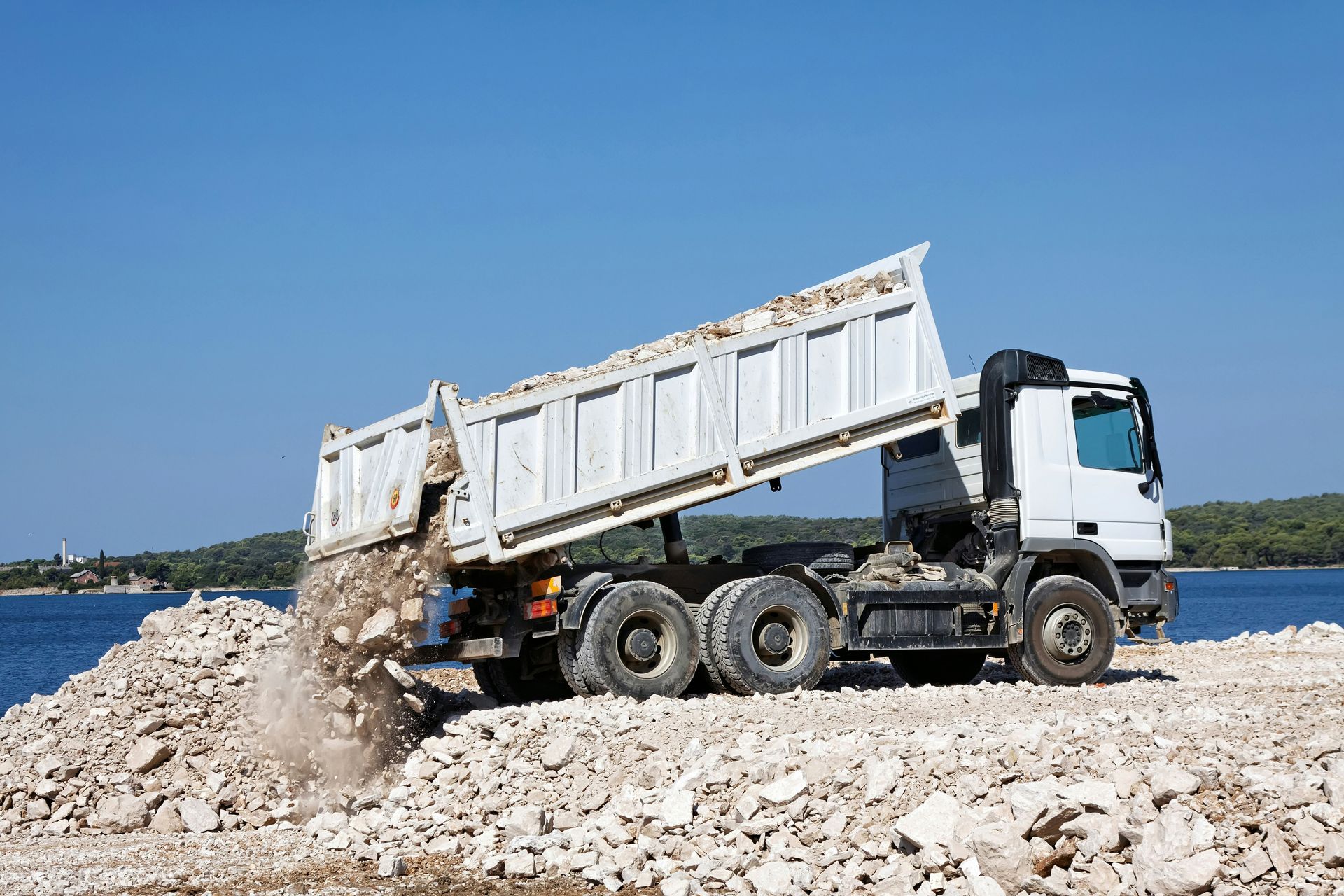
Where ongoing spoil removal or material relocation is expected, it makes sense to consider support such as tipper truck hire early in the planning process. That helps ensure excavation and transport can work together rather than slowing each other down once the drainage stage begins.
5. Match machinery and hire options to the job
Drainage work usually depends on having the right machinery available at the right stage of the project. Excavation support is often needed for trenching, preparation, and general ground works, but the way machinery is arranged can vary depending on the project team, access conditions, and how the wider site is being managed.
Some projects need a more complete support arrangement, while others only need the machine itself. The practical choice depends on the scope of work and whether the site team already has the internal capability to manage the equipment. Looking at machinery needs early makes it easier to avoid rushed decisions later, particularly when multiple parts of the project are moving at once.
If drainage forms part of a broader excavation program, it is worth reviewing excavator hire options as part of the same discussion. Matching the right machinery setup to the drainage scope can improve efficiency and help the work progress in line with the rest of the project.
6. Sequence drainage with the wider project
One of the biggest advantages of planning drainage early is that it allows the work to be sequenced properly with the rest of the job. Drainage often affects or is affected by excavation, site shaping, underground service preparation, material movement, and the trades that follow. If the sequence is unclear, even relatively straightforward work can create unnecessary delays.
Project managers usually get the best outcomes when drainage is treated as part of the broader construction workflow rather than a stand-alone task. That means thinking not only about the installation stage itself, but also about what has to happen before and after it. Access, spoil removal, machine availability, and related ground works all play a role in keeping the site moving efficiently.
Reviewing the available drainage services early can make it easier to match the support to the actual job conditions and timing. This helps create a more practical plan for how the drainage stage will fit into the overall construction program.
Discuss your drainage project with our team
Drainage works are easier to manage when they are planned early and treated as part of the wider project, not as an isolated job that gets fitted in later. Ground conditions, trenching, access, spoil handling, machinery support, and connected underground works can all influence how smoothly the drainage stage is delivered. Looking at those factors before work starts usually helps reduce delays and makes the next stages of construction easier to coordinate.
If you are planning drainage works for a Brisbane project, a practical early review can make a real difference to site efficiency and scheduling. Learn more about our drainage services, explore our related ground works support, or contact our team to discuss the requirements of your project.
For broader information on construction safety responsibilities and planning on active sites, Safe Work Australia provides useful guidance here: Safe Work Australia. Queensland Government resources on building and construction requirements are also available here: Queensland Government building and construction information.