How to choose the right earthmoving contractor for a Brisbane construction project
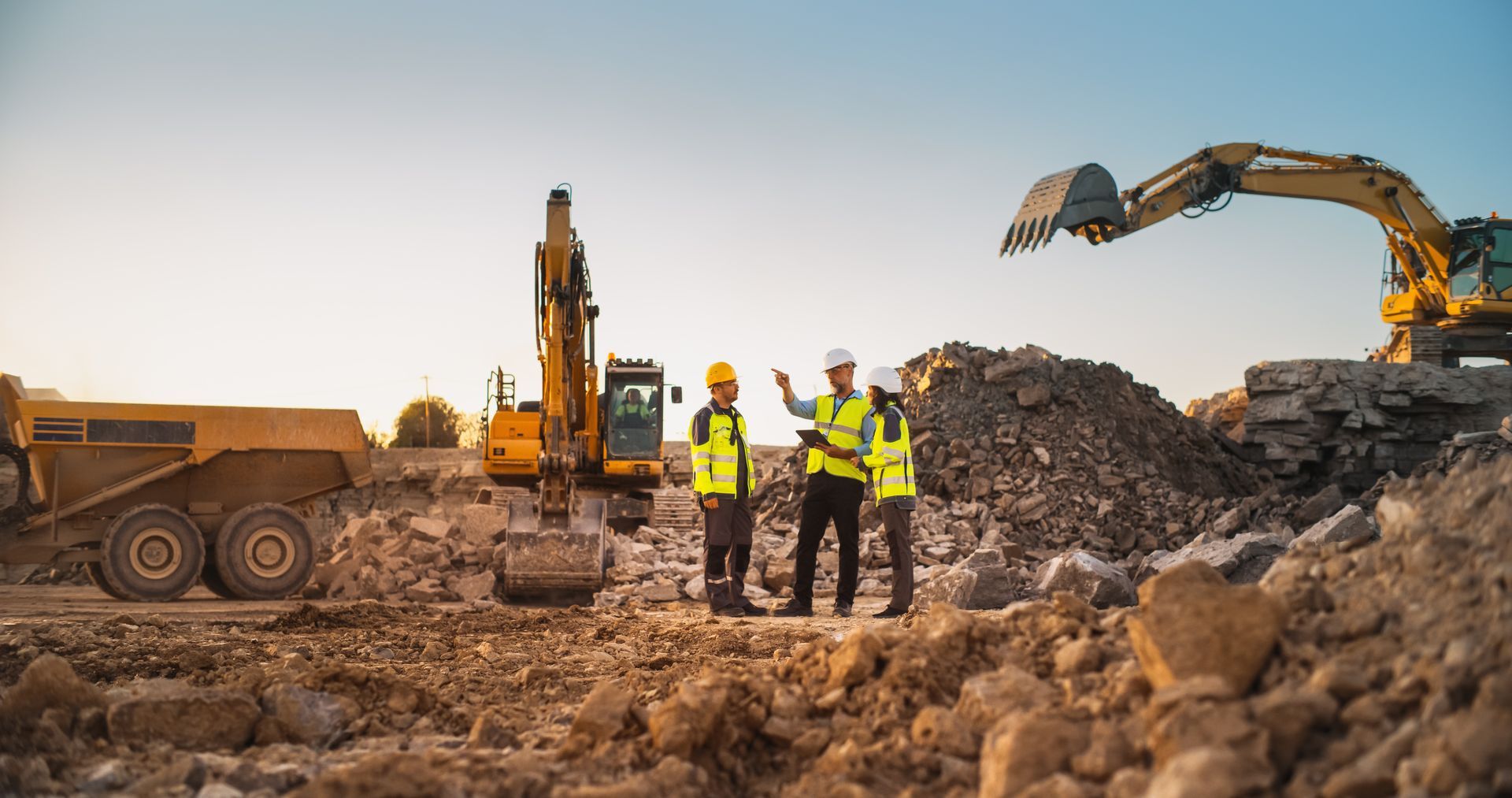
Choosing the right earthmoving contractor can have a big impact on how smoothly a construction project runs. The right support can help keep excavation, site preparation, drainage, and machinery coordination moving in step with the broader job. The wrong fit can create delays, communication issues, and avoidable complications once work is already underway.
For builders, contractors, and project managers across Brisbane, the decision usually comes down to more than just machine availability. It is also about whether the contractor understands site conditions, can adapt to project requirements, and offers the practical support needed to keep work progressing. This guide looks at what to consider when choosing an earthmoving contractor and how to make a more informed decision before work begins.
1. Look for services that match the actual scope of work
Not every project needs the same kind of support. Some jobs require straightforward excavation, while others involve site preparation, drainage, spoil removal, or machinery hire across several stages of construction. Choosing a contractor whose services align with the actual scope of work can make coordination easier from the start.
If the contractor only covers one small part of the job, you may need to organise extra support elsewhere. That can add complexity and make scheduling harder to manage. On the other hand, working with a provider that can support multiple connected stages of site work often helps reduce handovers and improve continuity.
For projects involving excavation, material movement, and general groundwork, it helps to review available earthmoving and excavation works alongside related services before making a decision.
2. Consider how they approach site preparation and access
Good earthmoving support is not only about digging. It also involves understanding how the site needs to be prepared so later stages of construction can proceed efficiently. Access, levels, working space, and spoil handling can all affect how practical the job is once machinery arrives on site.
A contractor who understands site preparation is usually better placed to support the broader project rather than just one isolated task. This is especially useful on jobs where bulk earthworks, drainage preparation, or shaping the ground are part of the early works program. Looking at this capability early can help avoid delays and make the next stage of work easier to plan.
Where groundwork is a major part of the project, it is worth reviewing how the contractor supports site preparation and bulk earthworks as part of the broader service offering.
3. Check whether they can support related underground works
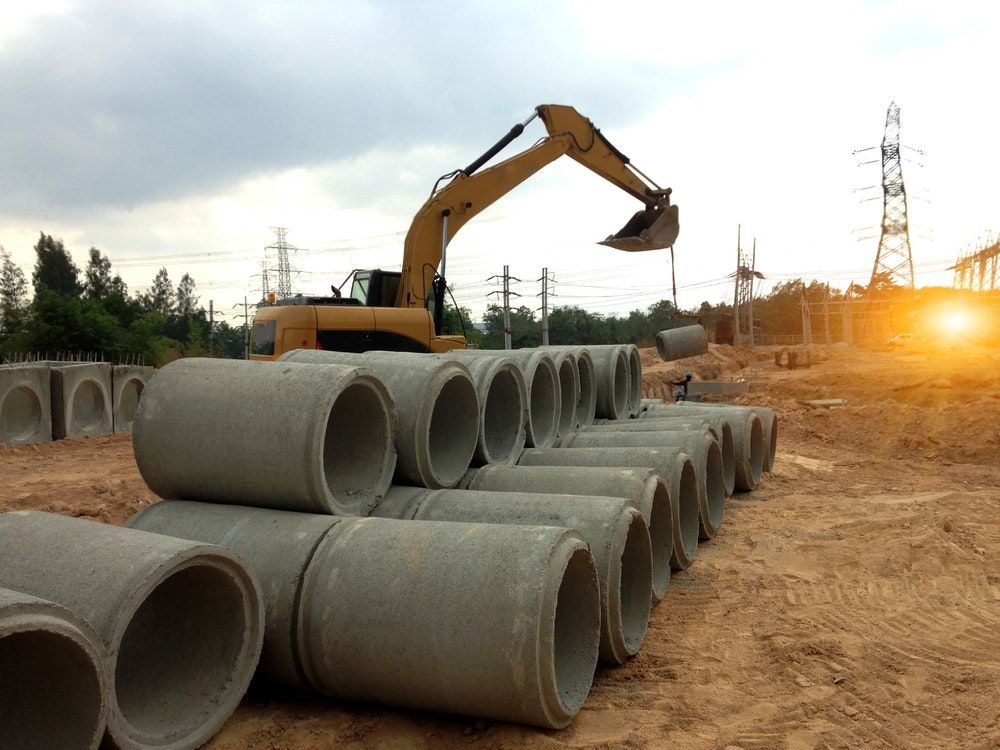
On many projects, excavation work overlaps with drainage, trenching, and underground service preparation. If these elements are handled without coordination, the site can become harder to manage and work may need to be revisited. Choosing a contractor who understands how excavation fits with these connected stages can improve the overall project flow.
This does not mean every contractor needs to do everything, but it does help when they can support or integrate with the next stage of work. A practical understanding of how excavation connects with drainage and underground services often makes planning easier before work begins.
If your scope includes underground works, it makes sense to assess whether the contractor can also support drainage services and related site requirements, rather than viewing excavation in isolation.
4. Think about equipment flexibility and hire options
Some projects need fully managed machinery support, while others need more flexibility around wet hire, dry hire, and transport arrangements. This is where equipment options become important. A contractor who can offer practical machinery support in different forms is often easier to work with as site conditions or project requirements change.
For example, there may be stages where excavator support is needed for trenching or earthworks, followed by spoil removal or material movement as the next step. If the contractor can support both sides of that workflow, the project is less likely to run into unnecessary gaps between stages.
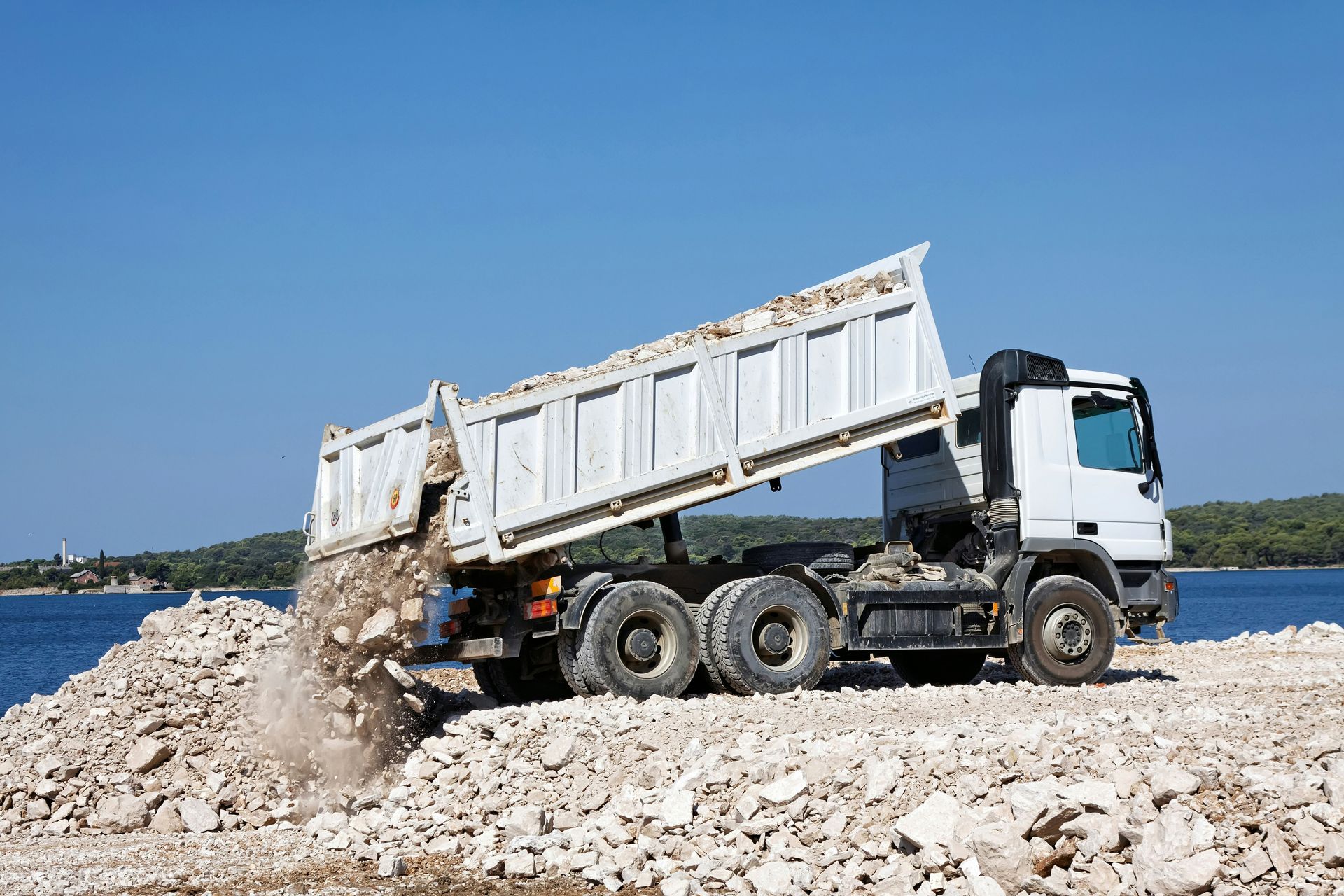
It is worth reviewing whether the available support includes options such as excavator hire and tipper truck hire, particularly if the project is likely to involve ongoing machinery and transport coordination.
5. Choose a contractor who communicates practically
Reliable earthmoving support is not only about machines and operators. Communication plays a major role, especially when work needs to fit into a wider construction schedule. Contractors who communicate clearly about access, timing, equipment needs, and project changes are often easier to coordinate and more practical to work with over the life of a job.
That does not require formal or complicated processes. In many cases, it simply means being responsive, realistic, and clear about what is needed to keep work moving. This can help project managers plan the next stage more confidently and reduce friction on active construction sites.
Before choosing a contractor, it is worth having a direct conversation about the scope, timing, and expected site conditions. If you are comparing options for a Brisbane project, you can also contact our team to discuss the type of support your site may need.
Speak to our team about your earthmoving needs today
The right earthmoving contractor should be able to support the actual needs of the project, not just supply a machine. Excavation capability, site preparation knowledge, drainage awareness, equipment flexibility, and practical communication all play a role in how smoothly the work will run once the job is underway.
If you are planning a Brisbane construction project, taking the time to assess these factors early can help you choose support that fits the site and keeps work progressing. Learn more about our earthmoving and excavation works, explore our related services, or contact our team to discuss the requirements of your project.
For broader guidance on construction work and safety planning, Safe Work Australia provides useful information here: Safe Work Australia. Queensland Government resources on building and construction requirements are also available here: Queensland Government building and construction information.