Pipe laying and drainage support: How these services work together on site
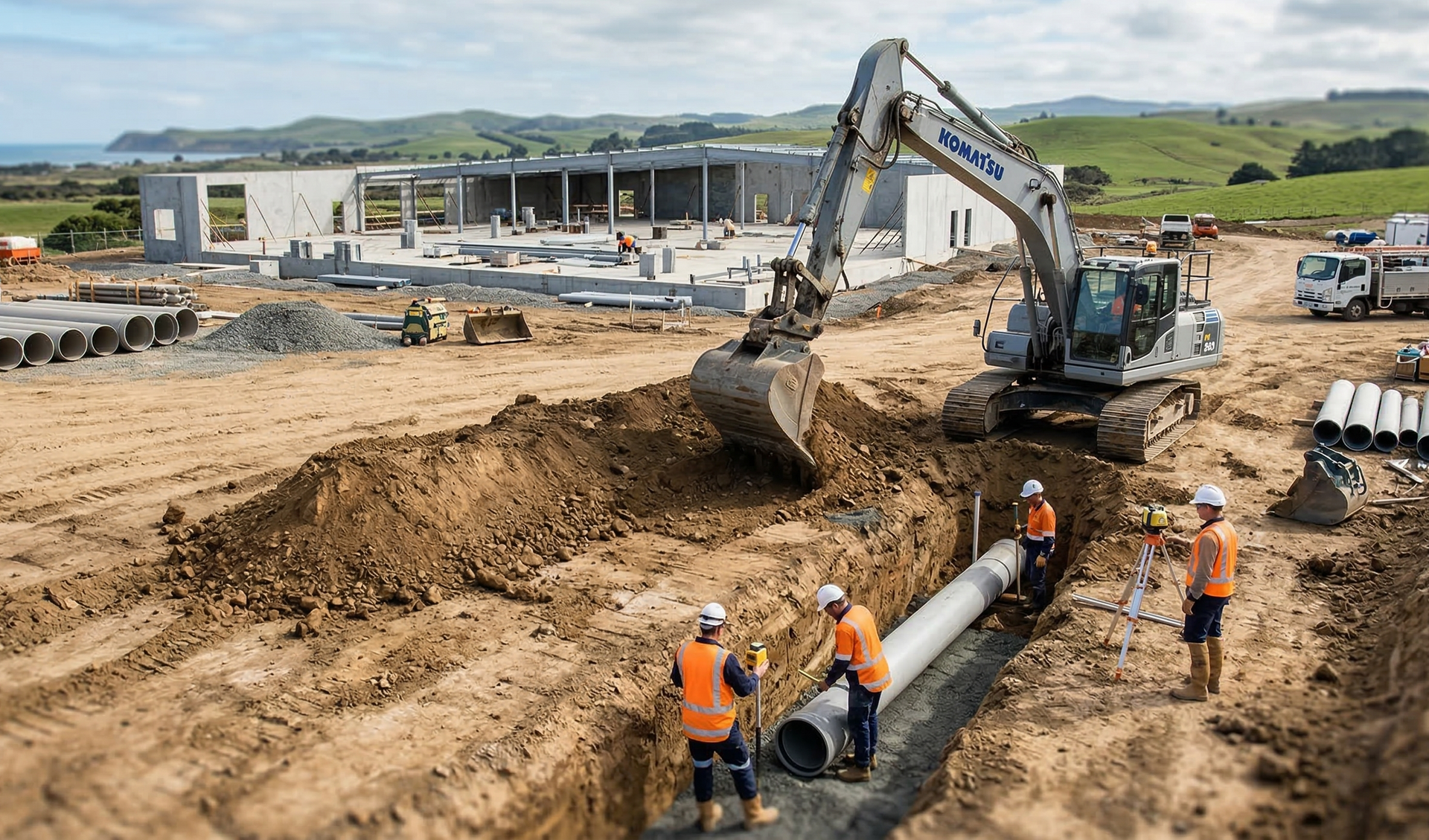
Pipe laying and drainage support are closely connected on many civil and construction projects, but they are not exactly the same thing. Drainage works often involve trenching, preparation, spoil handling, and site coordination, while pipe laying is more closely tied to the installation side of underground services. When these two parts of a project are planned together, the work usually runs more smoothly and the site is easier to manage.
For builders, contractors, and project managers across Brisbane, understanding how these services overlap can make planning easier before excavation begins. Good coordination helps reduce rework, keeps access clearer, and makes it easier to move from one stage of underground works to the next. This guide explains how pipe laying and drainage support work together on site and why treating them as connected services can improve project flow.
1. Drainage support often starts with excavation and preparation
Before pipe installation can happen, the site often needs excavation, trenching, and general groundwork to prepare for the drainage stage. That preparation work creates the conditions needed for underground installation and helps ensure the site is ready for the next step. Without that support, drainage-related works can become harder to sequence and more disruptive to the broader construction program.
This is one reason drainage is often tied closely to excavation. The site needs to be workable, access needs to be managed, and spoil may need to be removed progressively as the job moves forward. Many projects benefit from approaching this stage with practical earthmoving and excavation works already aligned to the drainage requirements.
Looking at preparation early also makes it easier to understand what equipment is needed and how the broader underground works should be sequenced. This can save time once installation begins and reduce the chance of the same area needing to be revisited repeatedly.
2. Pipe laying relies on the site being ready
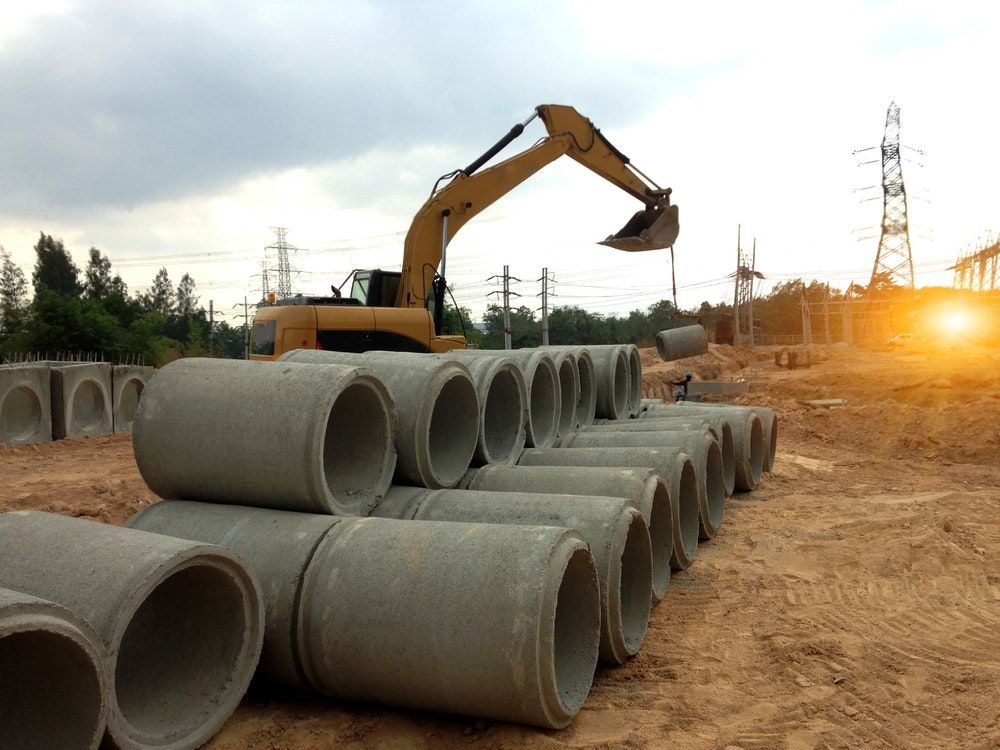
Pipe laying usually depends on more than just having the right materials available. The site needs to be ready for trenching, access, and coordinated installation. If the groundwork is incomplete or the excavation stage has not been planned properly, pipe laying can become slower and more difficult than it needs to be.
That is why pipe laying tends to work best when it is considered as part of a broader site process rather than an isolated task. On many jobs, the same access constraints, machinery requirements, and spoil handling issues affect both the drainage scope and the installation stage. Planning these elements together helps reduce delays and keeps the project moving through the underground works more efficiently.
For projects where installation is part of the broader service scope, reviewing dedicated pipe laying services early can help clarify what support is needed before work starts.
3. Good coordination reduces rework and delays
One of the biggest advantages of treating drainage support and pipe laying as connected services is that it can reduce unnecessary rework. If trenching, spoil management, access, and machinery support are planned as part of one practical process, the site is less likely to run into avoidable disruptions once underground works begin.
This matters on both smaller and larger projects. Even where the scope seems straightforward, poor sequencing can create delays if one part of the work affects another. A coordinated approach makes it easier to move from excavation and preparation into installation without losing time or needing to re-open areas that could have been handled more efficiently the first time.
That is why many projects benefit from looking at drainage services and pipe installation as part of the same planning conversation rather than as completely separate site activities.
4. Equipment and transport support still matter
Pipe laying and drainage works are often discussed in terms of installation, but the practical site support around them is just as important. Excavators may be needed for trenching and preparation, while transport support can help remove spoil and keep the work area clear. If machinery and logistics are not considered early, underground works can slow down even when the installation scope is otherwise ready to go.
This is especially relevant on sites where access is limited or where multiple trades are working in close succession. Good coordination between excavation, installation, and transport makes it easier to keep the site practical and avoid material buildup that interferes with the next stage of work.
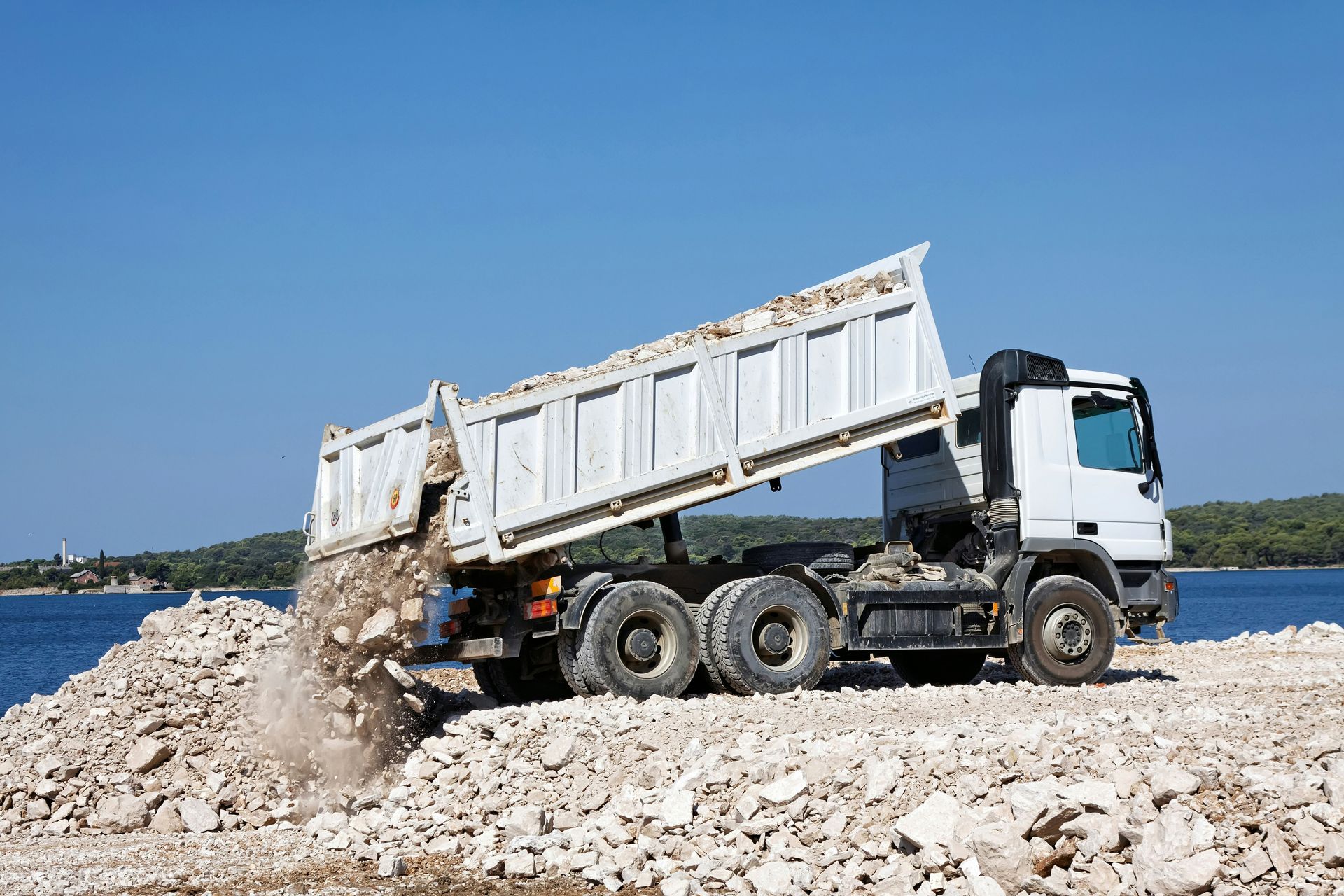
Where the job involves repeated material movement or staged excavation, it is worth reviewing options such as excavator hire and tipper truck hire as part of the same planning process.
5. Why this matters for project planning
On active construction sites, the challenge is rarely just one task in isolation. The real challenge is how different site activities fit together. Pipe laying and drainage support are a good example of this because both depend on access, preparation, timing, and practical coordination. If they are planned together, the project is usually easier to manage and the underground stage is more likely to stay on schedule.
Taking a joined-up approach also makes it easier to match the right service support to the actual job. Some projects need more excavation and preparation, while others are more installation-focused. Understanding that distinction early helps the project team make better decisions about sequencing, machinery, and site support.
If your project includes underground works, reviewing both pipe laying services and drainage services together can make it easier to plan the right approach from the start.
Discuss your pipe laying needs with our team today
Pipe laying and drainage support work best when they are treated as connected parts of the same broader site process. Excavation, trenching, site access, spoil handling, installation preparation, and machinery support all influence how smoothly the underground stage will run. Looking at these elements together can reduce delays, improve coordination, and make the project easier to manage from one stage to the next.
If you are planning underground works for a Brisbane project, taking a practical approach early can make a big difference. Learn more about our pipe laying services, explore our drainage services, or contact our team to discuss the support your site may need.
For broader information on work health and safety responsibilities on construction sites, Safe Work Australia provides useful guidance here: Safe Work Australia. Queensland Government resources on building and construction requirements are also available here: Queensland Government building and construction information.