What is included in site preparation and bulk earthworks?
Site preparation and bulk earthworks are often the first major steps in getting a construction project moving. Before concrete is poured, drainage is installed, or structures begin to take shape, the ground itself needs to be ready for the work ahead. That usually means clearing, shaping, levelling, moving material, and making sure the site is practical to work on.
For builders, contractors, and project managers, understanding what is included in this stage can make planning easier and help avoid delays later. On projects across Brisbane and surrounding areas, site conditions, access, spoil management, and timing all influence what needs to happen first. This guide breaks down the main components of site preparation and bulk earthworks and explains how they support the next stage of construction.
1. Site clearing and initial ground preparation
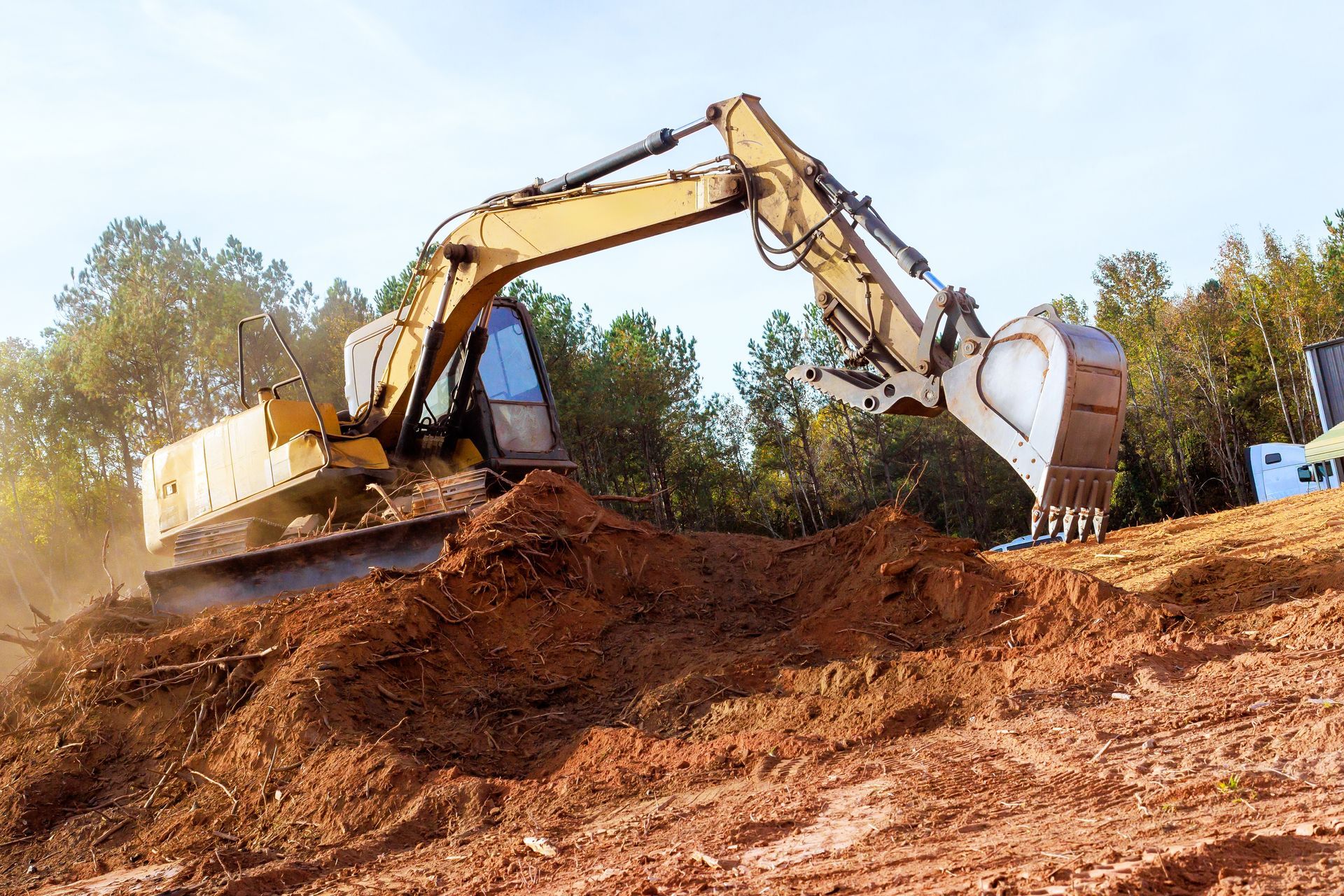
One of the first parts of site preparation is making the area workable. Depending on the project, this can involve removing unwanted material, clearing sections of the site, and preparing ground so machinery can operate efficiently. The exact work will vary from one site to another, but the goal is usually the same: create a practical starting point for construction activity.
This stage can also include making sure the site is accessible for machinery, material movement, and workers. On some projects, restricted space or existing structures may affect how work is sequenced. That is why it helps to have practical earthmoving and excavation support in place early, especially when site access and timing are important.
Ground preparation is not just about clearing space. It also helps identify how the next stages of excavation, levelling, and earthworks should be approached. When done properly, it can make the site safer and more efficient to work on as the project progresses.
2. Levelling, grading, and shaping the site
After the site is cleared and ready for machinery, the next step often involves adjusting levels and shaping the ground to suit the project. This can include levelling uneven surfaces, grading the site for access or drainage, and carrying out cut and fill works where needed. Bulk earthworks usually come into play when a larger amount of material needs to be moved to create the right ground conditions.
These works help provide a workable base for construction and can influence how efficiently later stages are delivered. Poorly prepared levels can create problems for drainage, access, and follow-on trades. In contrast, a well-prepared site helps the broader project move more smoothly and reduces the chance of rework.
Because site conditions vary, bulk earthworks need to be approached with a practical understanding of how the ground, access, and broader job requirements interact. This is where a dedicated site preparation and bulk earthworks service becomes especially useful.
3. Material movement and spoil removal
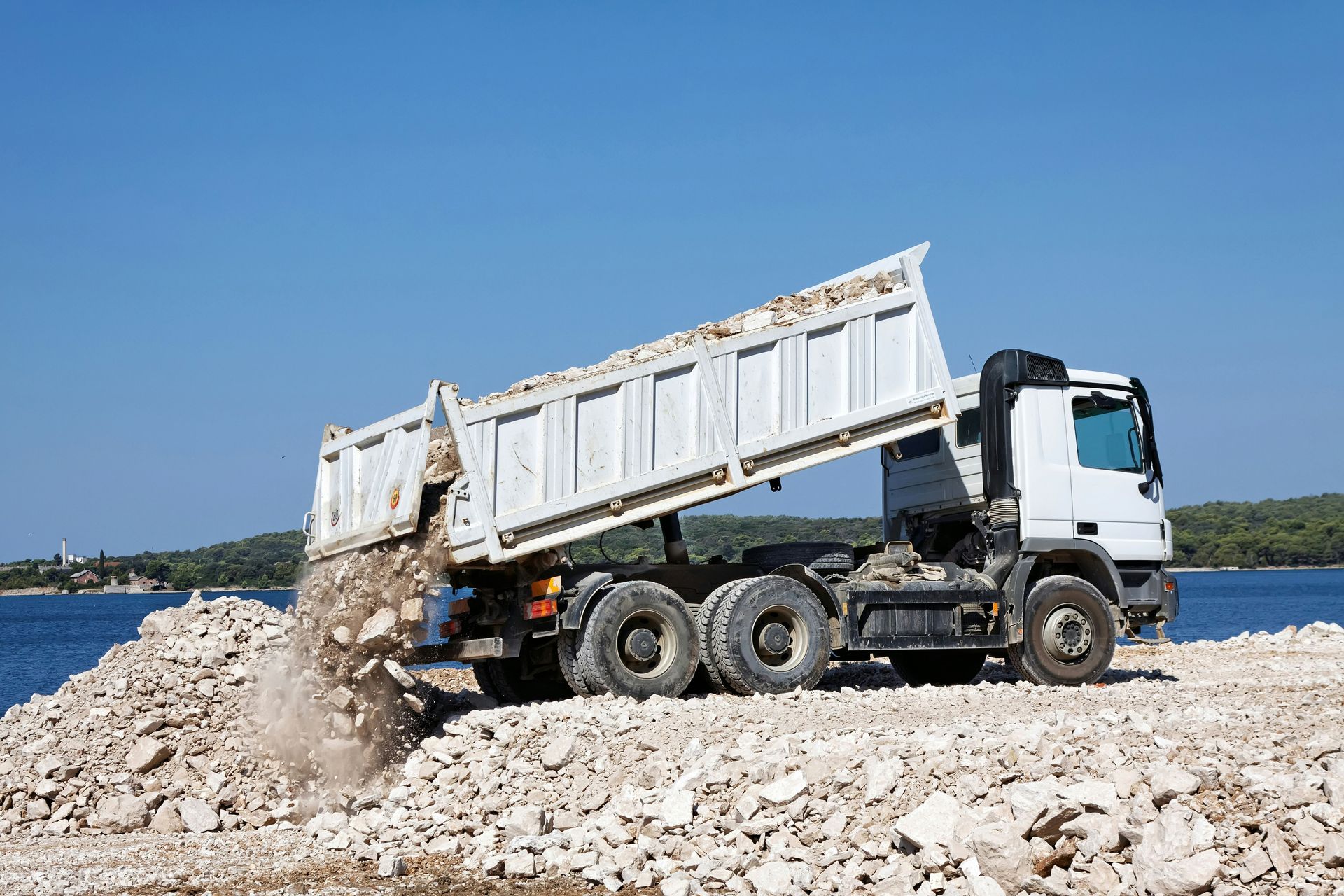
Moving material is a key part of many site preparation jobs. Excavated soil, spoil, and other material often need to be relocated, removed, or managed in a way that keeps the site workable. On larger projects, this can become one of the biggest practical considerations because delays in material movement can slow down the entire program.
Efficient spoil removal and transport support are important for keeping the site clear and allowing the next stage of work to begin. This is one reason equipment planning matters early. Where material needs to be moved off site or repositioned around the project, tipper truck hire can play an important role in keeping the job moving.
Planning material movement early can also improve coordination between excavation works, access management, and the timing of other contractors coming onto the site. It is a practical part of project planning that is easy to overlook until the site becomes congested.
4. Preparing for drainage and underground works
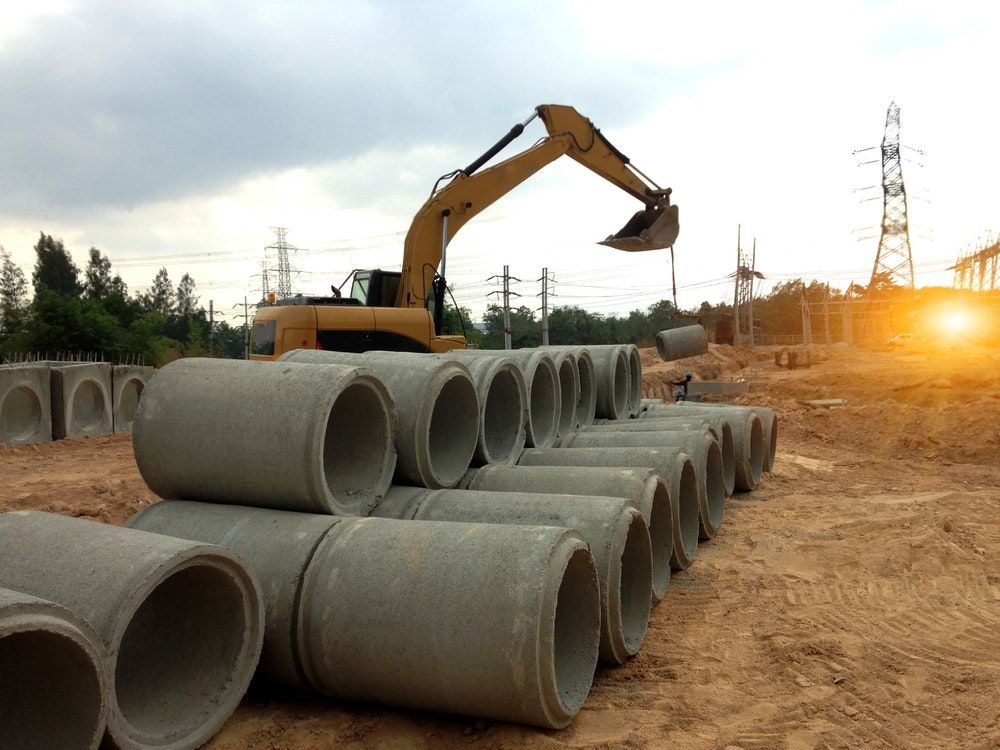
Site preparation does not sit in isolation. It often overlaps with drainage planning, trenching, and preparation for underground services. If the site is not ready for these works, the project can run into delays once installation begins. That is why excavation and drainage planning often go hand in hand during the early stages of a project.
Depending on the scope, site preparation may involve trenching support, level adjustments, and general ground works that make it easier to carry out drainage and related installation tasks. On projects with multiple moving parts, this kind of coordination helps avoid disruption and keeps the sequence of work practical.
For projects where drainage forms part of the overall scope, it makes sense to review how the site preparation stage will connect with drainage services and other related ground works before the job reaches that point.
5. Equipment and hire considerations
The machinery used during site preparation and bulk earthworks will depend on the scale of the project, the site layout, access conditions, and the type of material being handled. Excavators and tipper trucks are often central to this stage because they support excavation, shaping, loading, and transport requirements across the job.
Some projects need fully managed machine support, while others benefit from flexible wet and dry hire options depending on the capabilities of the team already on site. Matching the right equipment to the job can improve efficiency and help reduce downtime caused by access issues or machinery constraints.
Where flexibility matters, it is worth reviewing options such as excavator hire and related transport support so the project has the right machinery available when it is needed.
Speak to our team about your site preparation needs today
Site preparation and bulk earthworks usually involve far more than moving a bit of soil around. They help create a safe, workable, and properly shaped site for the next stages of construction. From clearing and levelling through to spoil removal, drainage preparation, and machinery planning, this stage has a direct impact on how efficiently the rest of the job can proceed.
If you are planning a project in Brisbane or surrounding areas, taking a practical approach to site preparation can save time and reduce disruptions later. Learn more about our site preparation and bulk earthworks service or contact our team to discuss the support your project may need.
For broader guidance on construction work and safety planning, Safe Work Australia provides useful resources for managing work on active sites: Safe Work Australia. You can also review Queensland Government information on building and construction requirements here: Queensland Government building and construction information.