Wet hire vs dry hire: Which excavator hire option Is right for your project?
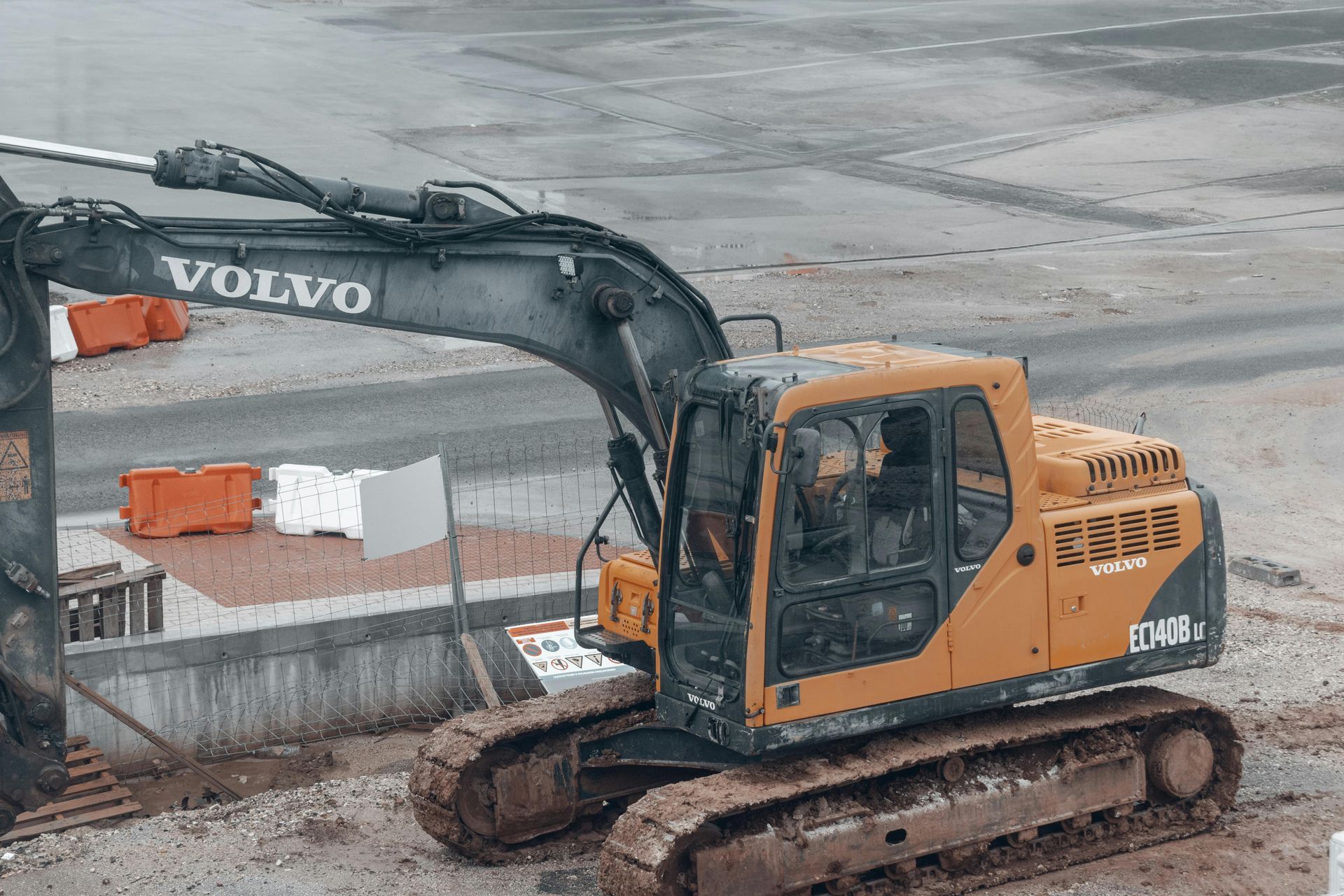
Choosing between wet hire and dry hire can make a real difference to how smoothly an excavation job runs. The right option depends on the scope of work, the capability of the crew already on site, and how much flexibility the project needs around machinery, scheduling, and operator support. While both hire options can be useful, they suit different types of projects and different ways of working.
For builders, contractors, and project managers across Brisbane, it helps to understand what each option actually means in practice before locking in machinery. A lower upfront rate is not always the most practical choice if site coordination, operator availability, or project timing become issues later. This guide looks at the key differences between wet hire and dry hire and explains how to decide which option is the better fit for your job.
1. What wet hire usually includes
Wet hire generally means the machinery comes with an operator. This can be a practical option when the project needs both equipment and someone experienced to run it as part of the broader site activity. For jobs involving excavation, trenching, site preparation, or drainage works, wet hire often helps simplify coordination because the machine and operator are organised together.
One of the main benefits of wet hire is that it can reduce the amount of planning needed on the client side. If your team does not have an available operator, or if the work needs to be carried out efficiently as part of a managed service, wet hire can be the more straightforward approach. It is especially useful when timing matters and the job needs to keep moving without extra resourcing delays.
On some sites, wet hire also makes sense because it helps align the machinery with the actual excavation task rather than treating the machine as a standalone hire item. If the job is tied closely to site works, drainage preparation, or general earthmoving and excavation works, wet hire can often be the more practical choice.
2. What dry hire usually includes
Dry hire means the machine is supplied without an operator, allowing the client to use their own qualified personnel. This can work well for project teams that already have the right people on site and simply need access to machinery for a defined stage of work. In the right circumstances, dry hire gives more control over how the machine is used within the broader project program.
Dry hire can also suit projects that need flexibility over timing or already have internal systems in place for machine operation. Where the crew is experienced and the work is well planned, this option can be efficient and cost-effective. The key question is whether the team already has the skills, licences, and scheduling capacity to make the most of the machine once it arrives on site.
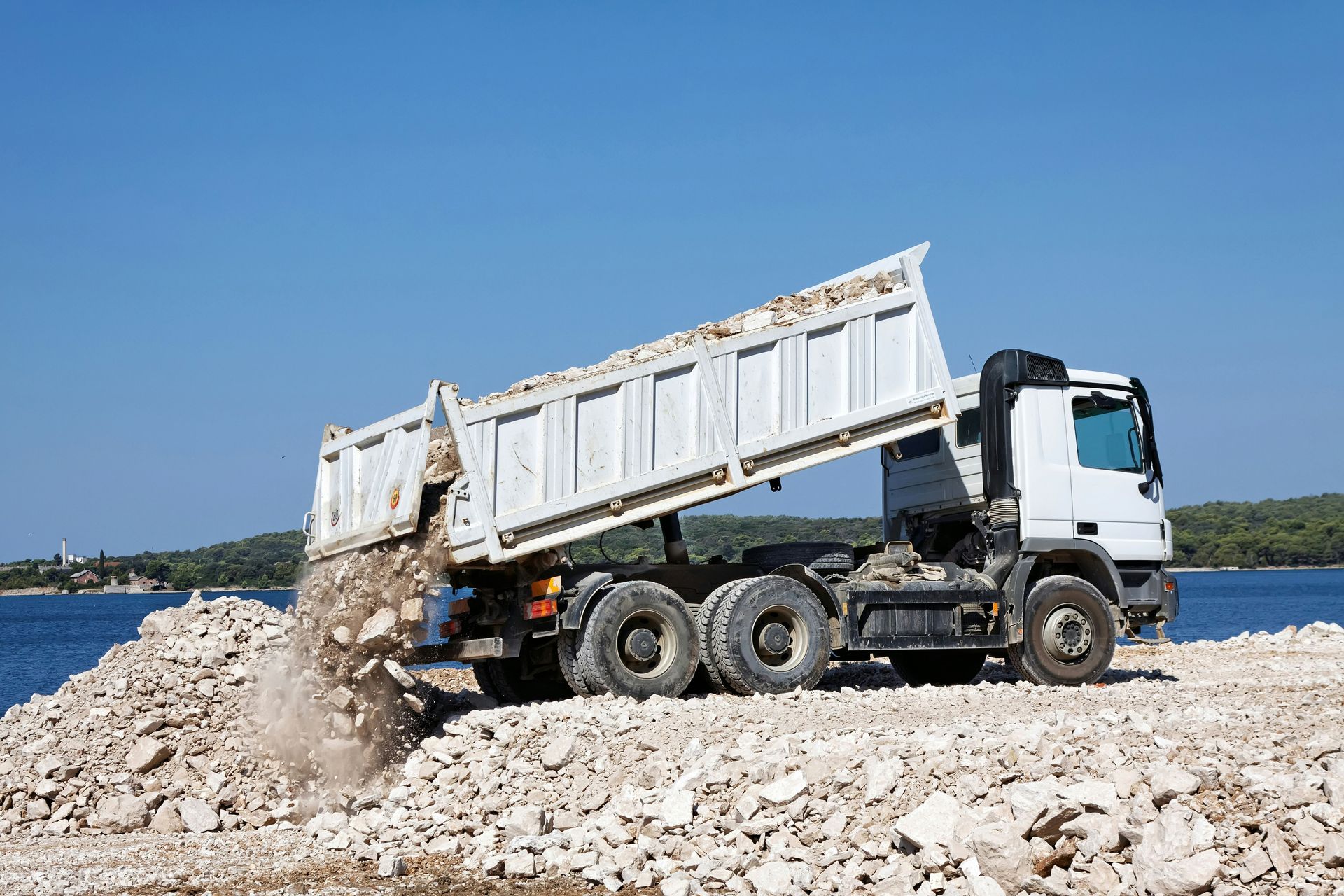
Before choosing dry hire, it is worth thinking about how the machinery will fit into the broader excavation scope. If the project also involves material transport, spoil removal, or related site works, supporting services like tipper truck hire may also need to be considered at the same time.
3. When wet hire may be the better option
Wet hire is often the better fit when the project needs practical support rather than just access to a machine. That can be the case on jobs where site conditions are changing, the work is closely tied to other excavation tasks, or the builder needs a more complete solution without organising separate operator resources. It can also help when the job schedule is tight and there is little room for downtime.
Projects involving drainage, trenching, and site preparation often benefit from wet hire because the machine is being used as part of a wider service delivery process. In those situations, having operator support included can make it easier to keep the work aligned with the broader job requirements. It can also reduce the burden on site managers who are already coordinating multiple trades and moving parts.
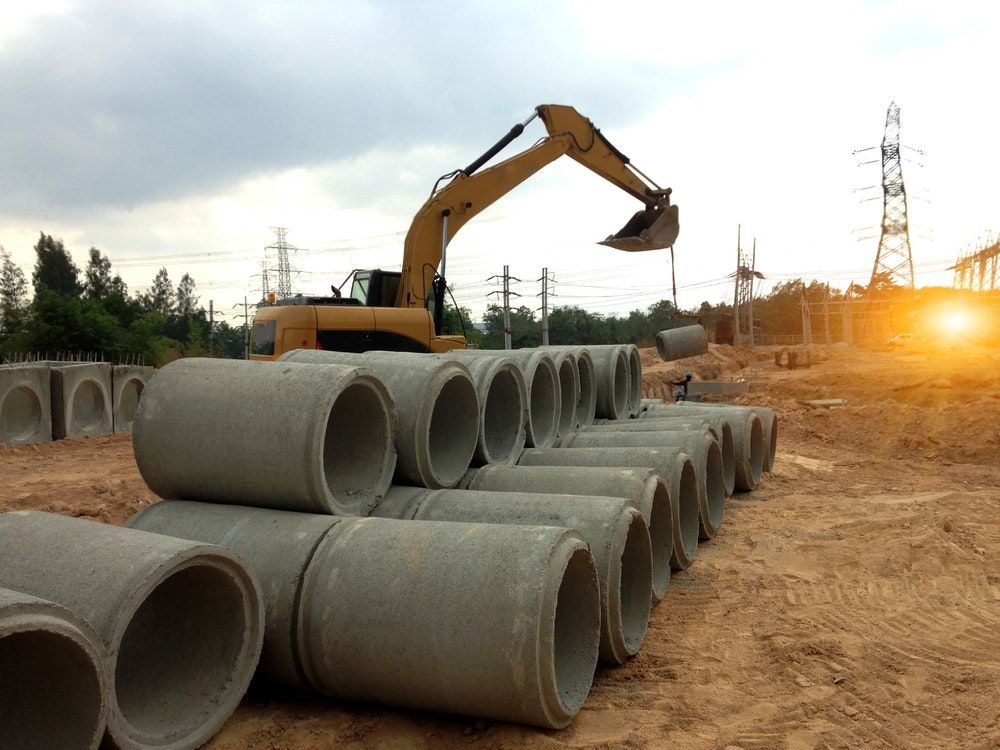
If your project includes excavation linked to drainage services or other ground works, wet hire can be a practical way to keep delivery efficient and avoid unnecessary handovers between providers.
4. When dry hire may be the better option
Dry hire can be a strong option when the project team already has the capability to operate the equipment and just needs the machine itself. For companies with experienced operators in-house, this can offer more direct control over scheduling and task allocation. It may also suit longer jobs where the machinery will be used across several stages of work under the client’s own supervision.
This approach can be especially useful where the machine is only one part of a larger internal operation. If your team already has the people, site systems, and workflow in place, dry hire may allow you to integrate the equipment more flexibly into the job. The main advantage is that you can manage the machine around your own priorities rather than relying on an external operator arrangement.
That said, dry hire still works best when the site team is confident about how the machine will be used, what support services are needed, and how the excavation work connects with other project stages such as site preparation and bulk earthworks.
5. Questions to ask before deciding
Before choosing between wet hire and dry hire, it helps to ask a few practical questions. Does the team already have a qualified operator available? Is the machine being hired for a specific task, or is it part of a wider service requirement? Will the job also require spoil removal, drainage support, or other connected site works? The answers to those questions usually make the right option clearer.
Another factor is how much coordination the project manager wants to handle directly. Some teams prefer a simpler arrangement where machine and operator support come together. Others are comfortable managing the equipment themselves because they already have the internal capability. Neither approach is automatically better. The right choice depends on the project, the team, and the site conditions.
If you are weighing up options for your next job, it can help to review the available excavator hire solutions alongside the broader excavation requirements so the decision is based on the actual scope of work rather than price alone.
Speak to our team about excavator hire today
Wet hire and dry hire each have their place, but they solve different problems on site. Wet hire is often the better fit when the project needs machinery and operator support working together. Dry hire can work well when the team already has the capability to run the machine and wants more direct control over scheduling and delivery.
The best option is the one that matches the job, the crew, and the way the project is being managed. Learn more about our excavator hire options or contact our team to discuss the most practical setup for your Brisbane project.
For broader guidance on work health and safety responsibilities on construction sites, Safe Work Australia provides useful information here: Safe Work Australia. You can also review Queensland Government resources on building and construction requirements here: Queensland Government building and construction information.